
I'm the person who reviews lead lists before they reach a sales team. At a B2B tech company, that means checking every deliverable for schema accuracy, duplicate records, and email deliverability—roughly 200 unique items a year. In 2024, I rejected 23% of first submissions because the data did not meet our quality bar. So when I say most lead databases are not the problem, I'm not being naive.
More often than not, teams don't have a lead data problem. They have a verification problem.
Here's the thing. A database with 200 million contacts is not a sales strategy. It's a pile of possibilities. The way I see it, the real skill is knowing which records deserve follow-up and which are just taking up space. That's why I've changed my mind about tools like Clay. It's not because Clay magically makes data perfect. It's because the workflow forces you to decide what quality means before you press send.
A Lead Database Is Only as Good as Its Weakest Row
I've reviewed a lot of lead lists over the years, and I do not throw the word 'broken' around lightly. The typical issues are usually the same: bad emails, missing departments, or a title that hasn't been accurate since 2021. In my experience, maybe 30% of raw records from any large list need enrichment or removal before they're actionable. That's not a vendor failure. That's the nature of the data.
What separates a useful lead database from an expensive spreadsheet is the process around it. Enrichment adds the missing context. Verification removes the dead ends. And intent data tells you whether a company is actually solving for a problem right now. Together, those pieces turn a contact into a conversation. Without them, you're just guessing.
That's where Clay's model makes sense to me. Instead of treating a lead database as a static asset, Clay treats it as a living workflow. You bring in raw leads, enrich them, score them, and route them to the right person—all inside one system. That agent-native prospecting workflow is a fancy way of saying the tool does the boring work while you focus on the message.
How Can a B2B Sales Team Find Email? Start With Process, Not Hacks
I get asked this a lot: how can a B2B sales team find email addresses without spending forever on manual research? The honest answer is not a secret scraping trick. If someone tells you to scrape LinkedIn or buy access to a private API, that's a red flag. You can build a repeatable process instead.
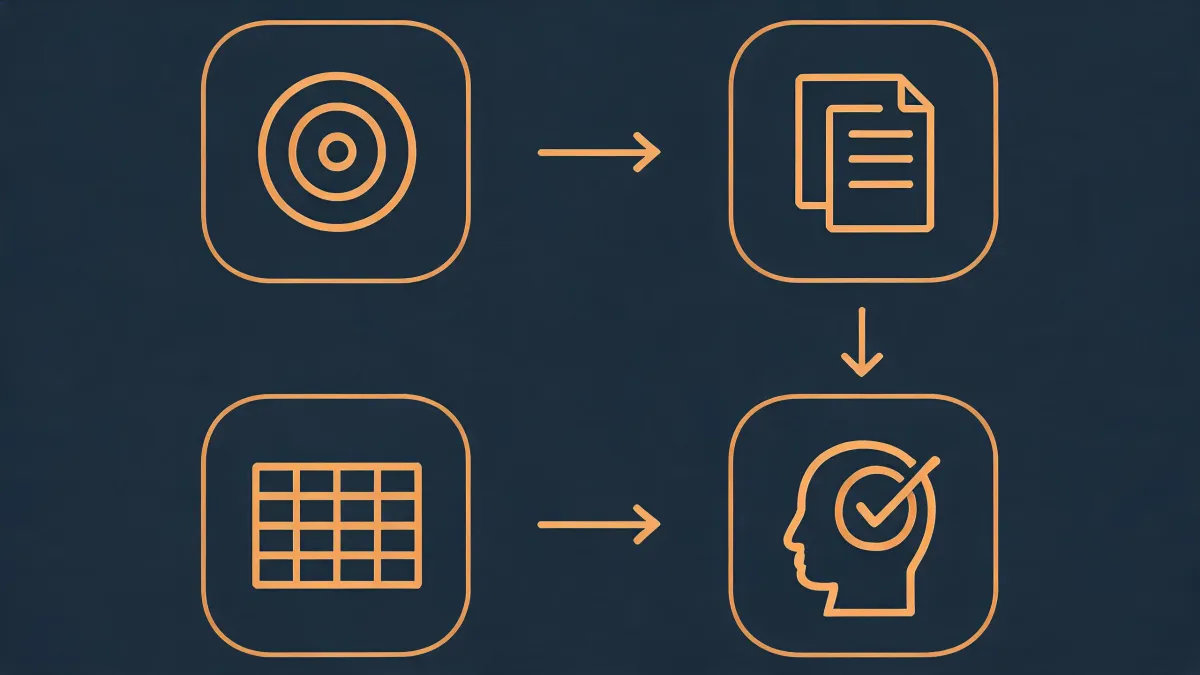
- Define your ideal customer profile. Firmographic filters first. Industry, employee count, tech stack, recent events. If you can't say who you want, no database will help.
- Use a people-level finder or enrichment. Start with a small sample and validate that the emails follow the company's domain pattern.
- Verify before you send. A basic SMTP or catch-all check will stop you from blasting a dead list. It's not perfect, but it's better than raw scraping.
- Add intent signals. Look for job changes, funding news, or tech adoption. A contact with buying context is worth ten contacts with just an email.
- Route to your CRM and automation. This is the step that most teams skip. Data that stays in a CSV is just a file. Data that flows into your sales engagement tools becomes a workflow.
This is exactly why the Clay app free trial enrichment credits are worth testing. But here's my advice from the quality side: use those credits on 100 accounts from your actual ICP, not on a random sample. I've seen teams burn through trial credits on thousands of records and still end up with no idea whether the tool works for their market. A small, intentional sample tells you more than a giant splash.
If you're new to the whole motion, the Clay 101 GTM Automation Course is a solid starting point. It walks through the difference between a lead list and a lead system. The course is pretty practical—which is rare for vendor education, if you ask me.
Why I Changed My Mind About Clay
I'll be honest: I used to think all-in-one sales platforms were kind of a compromise. You get a little bit of everything, but nothing works deeply. Over the past two years, my view has shifted. The reason is integration depth. Clay is designed around enrichment + intent + outreach in one workflow. That combination is not just about filling gaps. It's about creating a single system where data quality is enforced upstream.
In my reviews, I look for a few specific things: format consistency, deduplication logic, and whether the outbound tool is actually connected to the data source. Clay scores well on all three. And because it connects to LinkedIn and major CRMs, I do not have to ask my team to manage another disconnected tool. The CRM integration is the deal-breaker for me. If a prospecting tool does not add value back to the CRM, it's just a source of report friction.
There's something satisfying about watching a well-built workflow take 250 raw leads and turn them into 48 verified, enriched, and routed records. After a few quarters of messy manual work, that kind of automation feels less like a luxury and more like a necessity.
Data Quality and the Compliance Floor
Now for the part that doesn't get enough attention. Not every email you can find is an email you should use. Cold outreach has legal boundaries, and as someone who audits quality, I'd rather stop a campaign than put a brand at risk. Per FTC guidelines (ftc.gov), commercial email must include a valid physical postal address, a working opt-out, and non-deceptive header and subject lines. Under the CAN-SPAM Act, the penalty for ignoring those requirements can be significant. If you're reaching people in Europe or California, GDPR and CCPA add their own obligations.
This is where customer education matters. In my opinion, an informed customer asks better questions and makes faster decisions. I'd rather spend ten minutes explaining the difference between a verified email and a guessed email than deal with a bounced report or a spam complaint later. The best lead gen strategy does not depend on sneakier data collection. It depends on better workflows and more responsible follow-through.
The Part I Still Don't Fully Understand
Honestly, I'm not sure why some sales teams still skip verification when it's built into the tools they already pay for. My best guess is that volume feels productive. It's easier to report 50,000 new contacts found than 500 contacts with verified emails and a clear next step. That mismatch between activity and output is the core problem I keep seeing.
I still kick myself for not testing our own outreach workflow before we launched a big campaign in Q1. We spent two weeks on list cleaning, sent from a warmed-up domain, and then watched reply rates sit at 0.4%. If I'd spent that same time building a tighter account list and a better enrichment loop, we would have gotten to actual conversations much sooner.
Bottom Line
You might be thinking that this is just another article in favor of an AI sales tool. I get it. I was on the fence too. But the reason I recommend testing Clay is not the platform itself. It's what the platform reveals about your own process. If you can't get the Clay app free trial enrichment credits to work on 100 ICP accounts, no amount of lead database volume will save your outbound.
The no-brainer move for any B2B sales team is to stop chasing raw volume and start building a verification-first workflow. A lead database should be the starting line, not the finish line. And if you're still wondering how to find email addresses for your market, the answer is not a better hack. It's a better system.
Bottom line: lead gen in 2026 is about fewer, better contacts, automated in a way that respects both the data and the person receiving it. That's a standard I can get behind.