
The Sticker Price Is Not the Cost
Here's an unpopular opinion: when people evaluate a lead generation platform, they are often pricing a list rather than a workflow. It feels like a commodity purchase because the visible difference between vendors is the number of records and the subscription price. That is backwards.
I manage software purchasing for an 85-person company. I sit between the revenue team and the finance team, and I've spent the last 18 months evaluating data enrichment tools, email validation services, and sales engagement platforms. My job is not to pick the cheapest option. My job is to make sure the vendor we sign doesn't create hidden work for the team that has to use it.
The cheapest lead generation platform is rarely the least expensive one. In my procurement experience, that sentence has held up more times than I can count.
What Does "Clay CRM" Actually Do?
Let's be direct: Clay is not just a CRM in the traditional sense. It can work like one, but the CRM label undersells it. Clay is more like an agent-native prospecting workflow that combines a company database, enrichment, intent data, email finding, API email validation, and CRM routing in one place.
This isn't a knock on traditional CRMs. The CRM is the source of truth. But the prospecting work happens before the record lands in the CRM, and that's the part that eats time.
If you are asking, "how does a lead generation platform fit into an agent-native prospecting workflow?" — this is the answer: the platform is the workflow, not a data source hanging off the side of the sales stack.
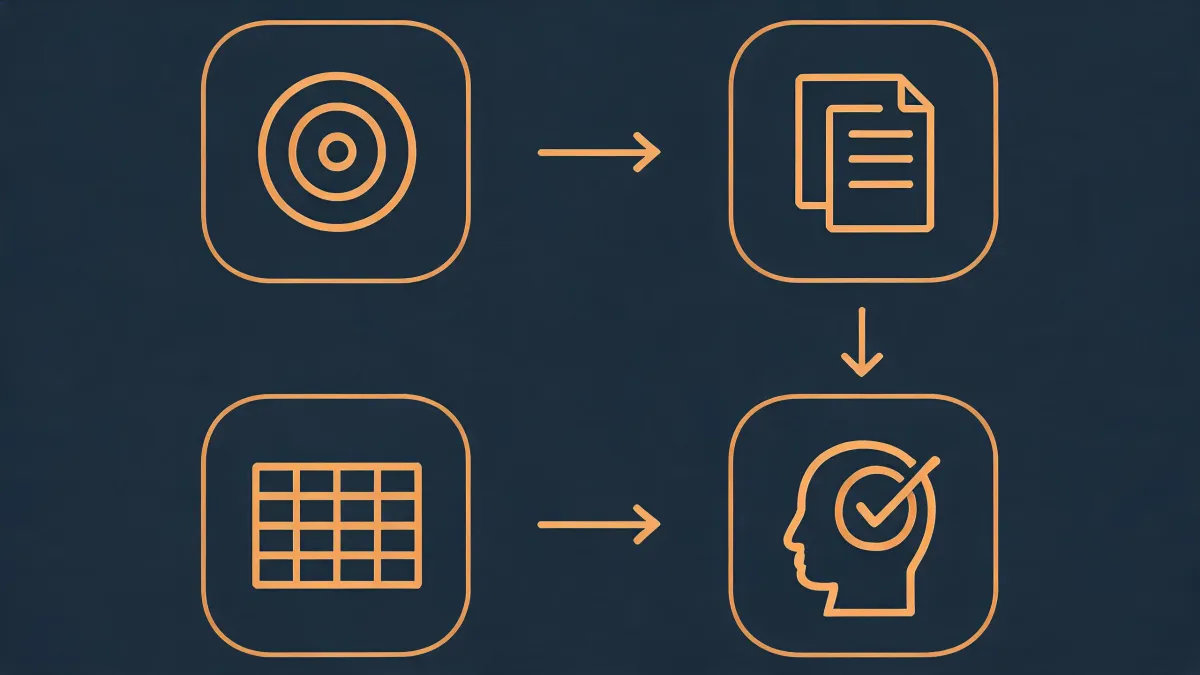
In a traditional workflow, you try to get a list out of a database, clean it in a spreadsheet, run it through an API email validation tool, upload it to your CRM, and hope you didn't miss a step. In an agent-native workflow, the platform researches, enriches, validates, and routes the record automatically. The human sets the guardrails; the platform does the repetitive work.
Argument: The Real Cost Is Bad Data
A vendor can quote a low annual fee for a company database, but the fee is only the first line of the expense report. The second line is the time your SDRs spend cleaning the output. The third line is the opportunity cost of email deliverability damaged by invalid addresses.
Let me use a specific calculation. Say a "cheap" database costs $12,000 a year. A platform like Clay costs more on the subscription line. Now add one thing: 15% of the cheap data has outdated contact emails. If you run that list through an API email validation service, you pay for validation and still lose records. If you skip validation, your campaigns bounce, your sender reputation drops, and your SDRs waste hours "doing research" that should have been automated.
That's the math everyone skips. A $6,000 discount can disappear after two months of manual list cleaning.
Honestly, the quality of the data matters more to me now than the quantity. A company database with 300 million records is not valuable if the records for my ICP are stale. I'd rather have a smaller, fresher set of accounts and an API email validation step that runs every time before outreach.
Argument: The Platform Is the Workflow
The most frustrating part of reviewing lead generation tools is that the pricing pages don't show the cost of integration gaps. You find an API email validation tool that works. Then you find a company database with the right records. Then you need a CRM integration. Each piece looks fine on its own. Together, they create a part-time job for your RevOps team.
Clay takes a different approach. It includes the company database, enrichment, email finder, API email validation, and CRM integrations in the same workflow.
One example that sold me: the Meer integration with Clay. We had a separate data subscription for one specific segment. After we added the Meer integration, our team could pull those records directly into a Clay table, enrich them, validate the email addresses, and push clean leads to Salesforce. The same workflow used to require export, upload, merge tags, and a "please don't break the spreadsheet" prayer.
That is what I think "agent-native prospecting" really means: the lead generation platform fits into the workflow as a working layer, not a hard-to-reach silo. The output isn't just a list. It's a routed, validated, sales-ready queue.
This is why I stopped asking vendors "how many records do you have?" and started asking "what happens after I upload a list?" That question separates a database from a platform.
Argument: Compliance Is a Feature, Not an Overhead
Another hidden cost is compliance. Per FTC's CAN-SPAM Rule (ftc.gov), commercial emails have to include a real physical address and a clear opt-out, and the subject line can't be deceptive. These rules aren't optional. They also aren't hard to meet—but they become harder when your data pipeline is a collection of disconnected tools.
Why does this matter in a platform decision? Because when everything is in one platform, the validation step is automatic. You're not hand-keying records or moving files through an API that nobody on your team fully understands. The question isn't just "can you validate email addresses?" It's "what happens when an email bounces?" In Clay, you can set up a workflow to find another email and update the record. That's the difference between a dead list and living data.
I also want to be clear about one red line: no lead generation platform should encourage you to scrape LinkedIn or bypass data privacy rules. If a vendor suggests that, walk away. The legal exposure alone is worth more than any contract discount.
What About the Price Objection?
I know what you're thinking: "Clay sounds nice, but it's not the cheapest option." You're right. The subscription is higher than a basic database. To be fair, I don't think Clay is the right purchase for every go-to-market team. If you only need a quick list of 50 accounts, you don't need an agent-native workflow. Free trials and manual searching are fine.
But I have managed enough vendor relationships to stop looking at line items and start looking at total cost. In our 2025 vendor consolidation review, Clay was about 18% more expensive on paper than the stack of point tools we were testing against. But we removed three tools from our stack and cut data preparation time by about 40%. That translated into hours back to the sales team and fewer "the list has duplicates again" complaints.
Another common question: "If we have Salesforce, why do we need Clay CRM at all?" My answer: you still need Salesforce as the system of record. But a CRM holds records; it doesn't build pipelines. Clay sits in front of the CRM and feeds it with enriched, validated, prioritized contacts. That's a different job.
I'm not 100% sure this exact math will hold for every team. My experience is based on about 40 software purchasing decisions for an 85-person GTM organization in North America. If you're in an enterprise procurement group with a dedicated RevOps team, your process will look different. And if you already have a mature data stack, Clay might be redundant rather than transformative.
My Bottom Line
I don't buy lead generation data by the pound. I buy the workflow that turns data into pipeline. That's why I'd rather spend more on Clay than save a third of the price on a company database that makes my team do the integration work.
The lowest quote has cost us more in roughly 60% of my vendor history. The most valuable platform almost never looked like the cheapest option on the purchase order. Clay is not the cheapest option. It is, so far, the one that made the rest of the stack cheaper.