
-
Email Finder Tools, CRM Enrichment, and the Mistakes I Kept Making
-
The Mistake That Taught Me to Ask "What's Not Included?"
-
First, Define What You're Actually Solving
-
Scenario A: You're a Solo Founder—or You Want a "Clay Personal CRM"
-
Scenario B: SDR Team Running Outbound at Scale
-
Scenario C: RevOps Needs CRM Enrichment That Doesn't Create Another Mess
-
How to Know Which Scenario You're In
Email Finder Tools, CRM Enrichment, and the Mistakes I Kept Making
I've been running outbound generation for six years. I've personally made (and documented) 11 significant mistakes that cost us roughly $18,000 in wasted budget. That's why I now maintain our team's checklist—so you don't have to repeat my errors.
When I first started using email finder tools, I assumed more data equals better sales. Six years later, I've learned that fewer, more relevant records beat bloated lists every time. But this isn't a "one-size-fits-all" guide. Whether you need a business email finder, CRM enrichment, or a Clay workflow depends on where you are in that moment.
The Mistake That Taught Me to Ask "What's Not Included?"
In September 2022, I ran a 5,000-person cold email campaign using a new email finder tool. I checked 50 records manually; they looked clean. The result was an 18% bounce rate, $1,400 in wasted credits, and about 60 hours of SDR time lost. What I didn't check were the things "not included": verification was a separate credit, deduplication wasn't automatic, and the tool didn't flag role-based emails.
I've learned to ask "what's NOT included" before "what's the price." The vendor who lists all fees upfront—even if the total looks higher—usually costs less in the end.
That quote isn't a platitude. It's the exact principle I use when evaluating Clay enrichment plans, email finder credits, and API overages.
First, Define What You're Actually Solving
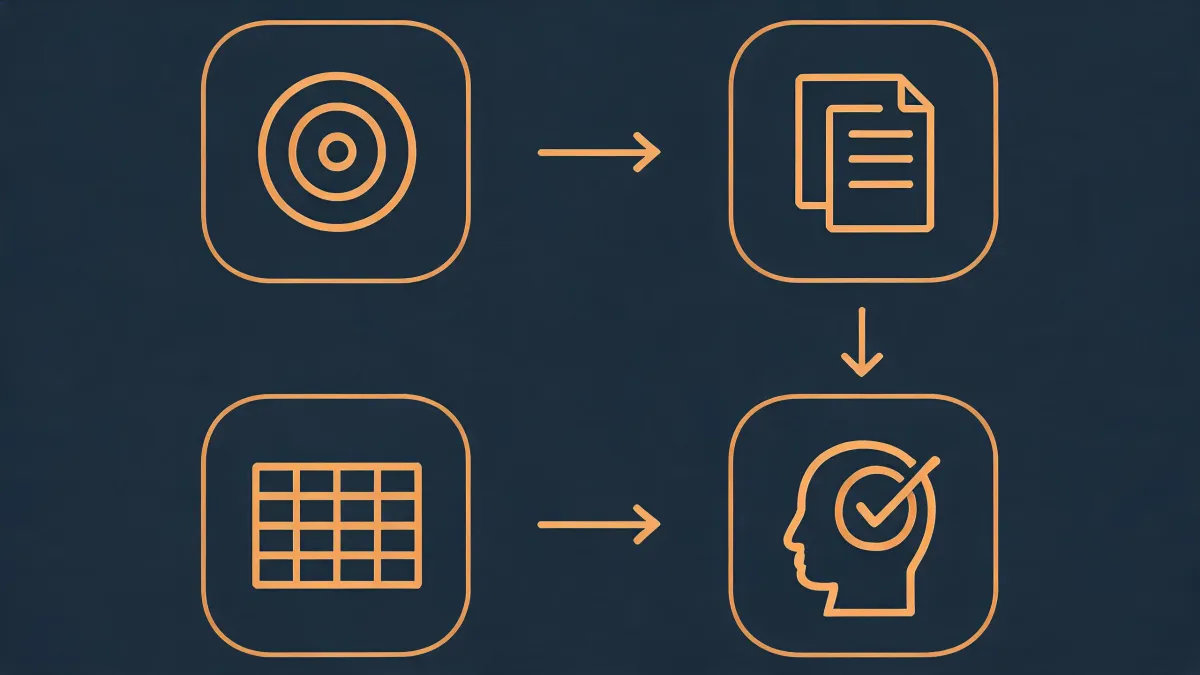
A business email finder tool does one thing: it finds or verifies a person's work email using name, domain, and other signals. CRM enrichment is broader—it adds firmographic, contact, and intent data to existing records. They're related, but they are not the same.
The search phrase "what is email finder tool and when should a B2B sales team use it?" usually comes from teams trying to solve too many things at once. The answer is: it depends. So let's split it into scenarios.
Scenario A: You're a Solo Founder—or You Want a "Clay Personal CRM"
If you search for "Clay personal CRM," you'll find people building lightweight relationship trackers. I say "like" because Clay isn't officially positioned as a personal CRM—or rather, it's not limited to one. But a simple Clay table with contacts, enrichment, and notes can absolutely work as one.
For this scenario, don't over-build. Start with the "Clay enrich signups official documentation." I know, reading docs sounds boring. But I once built an entire workflow from a YouTube video and missed a source setting that caused the wrong field schema. The official docs would have caught that in two minutes.
Here's what I'd do:
- Enrich only the fields you'll actually use: title, company, company size, location.
- Use one or two sources, not six.
- Set a "valid email" filter before other enrichment steps to reduce credit burn.
- Add a "needs outreach?" column. Personal CRM means context, not data hoarding.
Do you need an email finder tool in this scenario? Probably not. You need a record of real relationships and enough enrichment to keep context alive. At least, that's been my experience with solo-plus-contractor teams.
Scenario B: SDR Team Running Outbound at Scale
If you have multiple SDRs doing targeted outbound, an email finder tool is no longer optional. But "email finder" shouldn't be your entire strategy. You need an integrated workflow: enrichment, verification, and outreach. This is where agent-native prospecting workflows make more sense than a standalone finder.
A B2B sales team should use a business email finder when:
- You have a defined ICP, not just "everyone with a .com domain."
- You have enough info to verify the person you're contacting: name, title, company.
- You can handle deliverability: custom domain, SPF/DKIM, and a real reply expectation.
- Your CRM already has duplicates cleaned. Enriching duplicates wastes credits.
The counterintuitive part: I've seen better results from 2,000 well-verified contacts than from 10,000 enriched records. The conventional wisdom says "scale matters." My reply data says otherwise. In a previous 15-person startup, we used Clay to enrich about 3,000 prospects per month, but only enriched fields that moved the needle: verified email, current title, company size, and a recent trigger event.
For inbound signups, the workflow changes. When a lead fills out a form, you don't need to find their email—you already have it. You need enrichment to route, score, and personalize. That's where "Clay enrich signups official documentation" becomes your setup manual. It explains credit behavior and source logic before you accidentally spend credits on irrelevant fields.
And on pricing: don't compare "monthly price per seat" alone. Ask what's not included. Verification credits, API overage, and data refresh are often separate. The vendor who lists all fees upfront—even if the total looks higher—usually costs less in the end.
Scenario C: RevOps Needs CRM Enrichment That Doesn't Create Another Mess
CRM enrichment is a process, not a button. If you're in Revenue Operations, you've probably inherited a CRM with duplicate versions of the same contact and no idea which one is current. Enriching that mess makes it worse.
I learned this in Q1 2024. We enriched 12,000 records and discovered that 15% were already outdated within 90 days. The enrichment data wasn't bad. Our refresh policy was missing.
For this scenario, start with the "clay enrich signups official documentation" because it defines credit boundaries and field mappings. According to Clay's official documentation, enrichment credits behave differently depending on the source and workflow settings. That's the kind of detail that gets skipped in quick video walkthroughs. Actually, if you're setting up any automation, read the docs for that specific workflow. I do not mean the overview page. I mean the setup guide that explains what happens when a record doesn't match, how credits are consumed, and where the workflow stops.
Here's a simple RevOps checklist:
- Deduplicate before enrichment, not after.
- Define a refresh schedule. Quarterly for contacts, monthly for companies if possible.
- Map enrichment fields to a naming convention before the run.
- Turn on audit logging. If you can't explain why a field changed, you'll fail a data governance review.
The "enrich everything" thinking comes from an era when CRMs were static and data was cheap. Today, enrichment costs add up, and privacy regulations like GDPR and CCPA require you to document where data came from. Verify current regulations at official sources; I'm not a lawyer.
How to Know Which Scenario You're In
Here's how to make the call without overthinking.
If you have fewer than 1,500 contacts and you're the only person using them, you're in Scenario A. Treat it like a personal CRM. Keep the workflow simple and rely on official docs.
If you have an SDR team and many prospects, you're in Scenario B. You need an email finder plus enrichment plus outreach automation. Before buying, ask what's not included in the quoted price.
If you're responsible for CRM health for a larger org, you're in Scenario C. Don't add enrichment until duplicates and refresh policy are solved. The tool isn't the bottleneck; the workflow is.
I don't claim to have a perfect method. I've made 11 significant mistakes over six years, and I'll probably make more. But the checklist above has caught 47 potential errors in the past 18 months, and it's saved us far more than the $18,000 I wasted early on.