
I manage the GTM software budget, and I've reviewed enough sales tools to know this: Clay is usually a good buy—if you treat it as a workflow platform, not a data subscription. In my last TCO model, the Clay subscription was maybe 30% of the real cost. The other 70% was credits, setup time, workflow maintenance, and the cleanup when someone builds an overly ambitious automation.
So if you're evaluating Clay for agent-native prospecting, don't start with the free trial. Start with one workflow you want to run, and a credit budget.
Here's the counterintuitive part: the free trial can be the most expensive part of a Clay rollout. It shows you all the shiny automations, but it doesn't teach you the credit math. (Note to self: always map credit consumption before the trial.)
Why I Get a Vote in This Conversation
I'm not a RevOps influencer. I'm the person who reviews software spend and signs off on renewals. I've managed a six-figure GTM tech budget for about five years, compared eight vendors in a single quarter, and documented every order in our cost tracking system.
In an audit last year, we found that about 20% of our active software licences were unused. That's why I always ask: are we buying a tool because it's useful, or because it's easy to buy?
What Clay Actually Is (in Procurement Terms)
Clay sits in a weird spot between B2B contact data solutions, enrichment, and sales automation. It's not one database. It's a workflow layer on top of many data sources. You give it a segment—say, 'Series B SaaS companies with recent product launches'—and it can find contacts, enrich them, find emails, flag intent signals, and route them to your CRM or outreach tool.
That's why people call it GTM Clay: because it's built for go-to-market teams, not just for salespeople who want a list.
And yes, Clay can find email addresses. But the email address isn't the real deliverable. The real deliverable is the context around it: which company, which role, what changed recently, which signal triggered the outreach.
How Does an AI Sales Rep Fit Into an Agent-Native Prospecting Workflow?
This is where people get confused. An AI sales rep in an agent-native prospecting workflow is not a chatbot that sends generic emails. It's an agent that can run a multi-step research and action sequence on its own.
Example: 'Find all product managers at e-commerce companies who just started using a competitor's tool and who are likely hiring.' The agent can break that into steps: identify companies, find the right contacts, enrich their data, check intent signals, score them, and write them into your sales engagement platform.
In my experience, that kind of workflow used to take a RevOps person three to five days. With Clay, the first version took maybe two hours. The automation part also cut the data-entry errors we used to see with manual list building. That's the efficiency argument, and it's real.
What I Actually Test in the Clay Free Trial
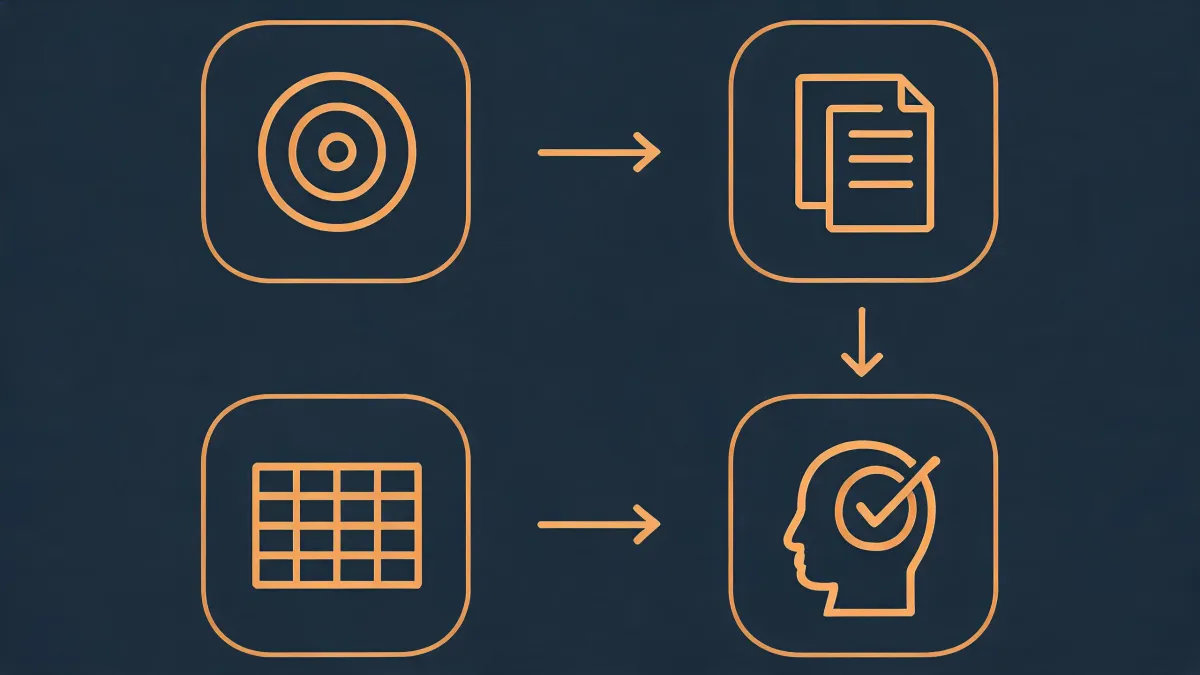
During a Clay platform free trial, enrichment workflows are the main thing to test. But I test them with a cost-control brain, not a demo brain. Three things:
- One workflow, end to end. Pick a segment, run it through enrichment and output. Measure time from blank workspace to 100 usable contacts.
- Credit consumption. Run 500 lookups and watch the credit balance. If one step drains 10 credits per record, your 'cheap' workflow is not cheap.
- Integration output. Does it write to your CRM and outreach tool cleanly? If not, you'll pay for that with manual work later.
It's tempting to think you can just compare monthly prices. But identical workflows can have wildly different TCO depending on credit usage and setup time. That's the oversimplification that gets finance teams in trouble.
Where the Hidden Costs Live
Just because Clay's user interface is friendly doesn't mean the total cost is. Here's where I've seen budgets drift:
- Credit math. A list of 10,000 companies × four enrichment steps × 2 credits per step = 80,000 credits. If you're on a plan with 100,000 credits, that's 80% of your monthly allowance for one workflow.
- Workflow maintenance. Data sources change, APIs break, formulas need updates. Budget a few hours a month if you have a real workflow in production.
- Duplicate cleanup. AI agents will create duplicates if you don't design for it. Cleaning that up is time you don't put in the ROI model.
- Integration engineering. If your CRM or data warehouse is unusual, you may need someone to build and maintain the connection. That's not a Clay cost, but it's a Clay project cost.
People often think Clay is expensive because it's powerful. I'd flip that: the power is cheap, the expensive part is running it badly. A well-scoped workflow is cheaper than a cheap data tool. A poorly scoped one will burn credits and time faster than any overage bill.
This is also why I read vendor claims with an FTC lens. 'Free trial' and 'AI-powered' have to be truthful and not misleading (ftc.gov), but they don't tell you how much effort the tool needs to produce value. The software price is the least of the story.
The 'Cheaper' Option Wasn't Cheaper
We compared Clay against a cheaper contact data tool a while back. The other platform quoted about $4,200 for a year—maybe $4,800, I'd have to check. It looked like a no-brainer. Then I built the TCO: we'd need custom scripts to export and clean data, a second tool for intent signals, and manual updates every month because the data wasn't refreshed. Total was higher than Clay, and the workflow was slower.
I almost chose the cheaper tool based on the sticker price. The two weeks until I finished the spreadsheet were stressful, and I kept second-guessing. But after switching, we cut list-to-outreach turnaround from five days to two. That's the efficiency argument in practice.
When You Shouldn't Buy Clay
I'd be lying if I said Clay is for everyone. If your GTM motion is low-volume and high-touch—say, 20 enterprise accounts a year chosen by the CEO—Clay is likely overkill. If you don't have someone who can build and maintain workflows, the tool will gather dust.
And with any B2B contact data solution, compliance is on you. Don't use data sources in ways that violate their terms, and don't assume the tool is legal cover. Clay gives you efficiency, not a compliance shield.
So here's my cost-controller verdict: Clay is worth evaluating if you have a repeatable prospecting motion, a person who can own the workflow, and a credit budget. The question isn't 'can we afford Clay?' The question is 'what does one usable, routed lead cost in our workflow?' That's the number I'd sign off on.