
The Monday Morning Request
In November 2025, our VP of Sales dropped a request into my budget queue: six SDR seats, a new b2b contact data platform, and a “refresh” for our LinkedIn outreach. I manage the sales tech budget at a 140-person B2B SaaS company—about $210,000 annually. I’ve negotiated with 18+ vendors over four years, and I’ve documented every renewal, every setup fee, and every “small” overage that turned into a line item.
My first thought was not “great, new tool.” It was: here we go again. Our SDRs already had LinkedIn Sales Navigator and a CRM. The workflow, though, was manual. They’d build a saved search, export a list, paste it into a spreadsheet, try to verify emails, and then import everything into a sequence. By the time they started writing, half their morning was gone.
The team wanted to evaluate Okki Go (okki-go) for SDR teams. Specifically, they wanted to see whether an agent-native prospecting workflow could connect the dots between LinkedIn Sales Navigator automation, enrichment, intent data, and human-in-the-loop outreach.
The Demo That Made Me Skeptical—Then Interested
I’ve sat through a lot of sales tool demos. Most of them start with “save 10 hours a week” and end with “subject to your data quality.” So when the Okki Go demo began, I was honestly pretty guarded.
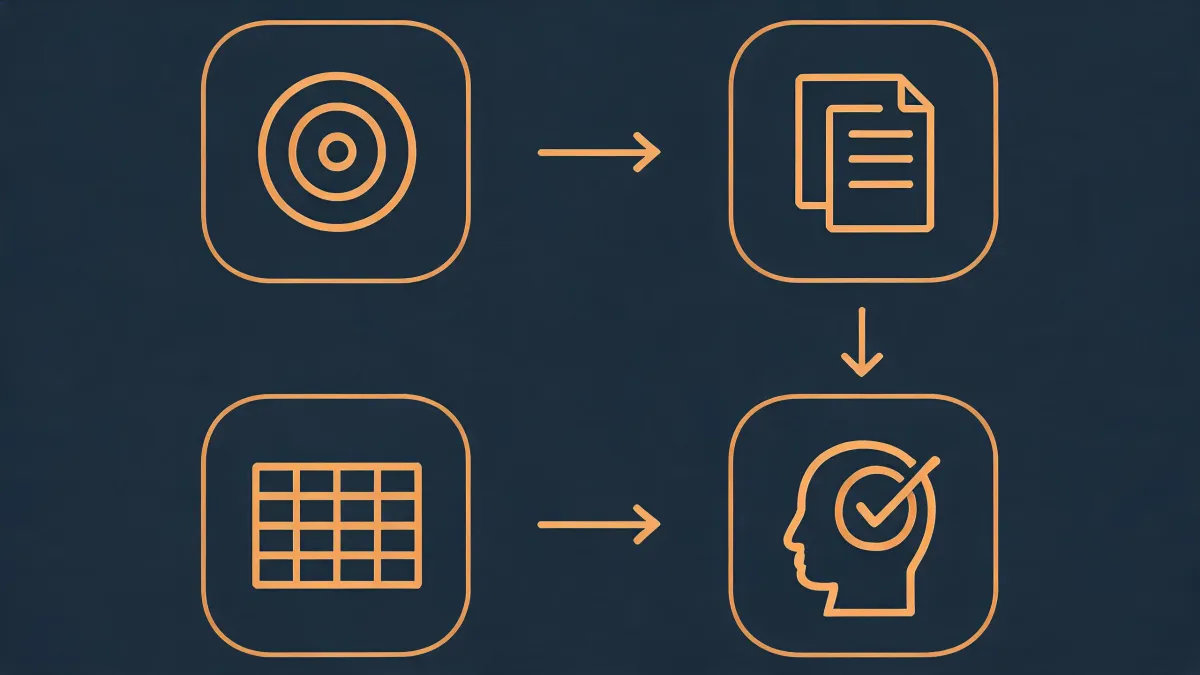
The interesting part wasn’t a bigger database. It was the workflow. In the demo, Okki Go sat between the SDR’s LinkedIn saved searches and the outreach sequence. The rough okki go outreach preparation workflow looked like this: pull saved-search results into a b2b contact data platform, run waterfall enrichment across multiple providers, layer in intent signals, verify emails, sync to CRM, and then let the SDR review and personalize before anything went out.
That last part mattered. I don’t want a tool that lets SDRs blast 5,000 people and call it “automation.” I want a tool that removes the copy-paste, not the judgment. Okki Go’s human-in-the-loop approach fit that requirement better than the fully automated alternatives I’d seen.
I still didn’t trust the “save 20 hours a week” claim. Per FTC guidelines (ftc.gov), advertising claims must be truthful, not misleading, and substantiated with evidence. That’s the standard I now apply to every “guaranteed reply rate” pitch I get. So I asked for a pilot instead of a purchase order.
The Cheap Detour
Here’s where I almost made a classic procurement mistake. One vendor quoted us $3,600 annually for six seats. Another quoted $9,000. On a spreadsheet, the first option looked like a no-brainer.
Then I built the TCO model. The $3,600 quote didn’t include enrichment credits. Email verification was an add-on. CRM sync was “available via Zapier,” which meant someone had to maintain it. Implementation was $2,500. Training was extra. And the data quality? Let’s just say the sample list had a lot of role-based emails and missing titles.
The $9,000 option included waterfall enrichment, intent data, verification, and CRM sync. It also had a cleaner review step for SDRs. The unit price was higher. The total cost of ownership was lower. That’s the thing about cheap tools: the invoice is just the tip of the iceberg. The rest is time, rework, and risk.
The Pilot I Almost Skipped
I knew I should run a controlled pilot with a clean ICP list and a QA checklist. But we were rushing, and I thought, “What are the odds our old list is that bad?” Well, the odds caught up with me.
We started with a legacy list from a trade show. No formal enrichment QA process. We didn’t set up domain warm-up properly. The first week, bounce rates were higher than we expected. The SDRs spent hours cleaning records that should have been filtered before they ever hit the sequence.
That wasn’t Okki Go’s fault. It was our process gap. The third time we found bad data in the workflow, I finally created a verification checklist: check domain reputation, confirm email status, review enrichment match reasons, and require SDR sign-off before import. Should have done it after the first time.
Once we fixed the process, the pilot got useful. We recovered about three hours per SDR per week—not the 20 hours the vendor promised, but real time back. More importantly, the data was cleaner, so the SDRs stopped starting their mornings with cleanup and started them with research.
How LinkedIn Sales Navigator Automation Fits In
If you’ve ever tried to scale LinkedIn outreach, you know the tension. LinkedIn Sales Navigator is great for finding the right accounts and people. But it’s not a contact data platform. It doesn’t verify emails. It doesn’t enrich missing fields. It doesn’t tell you whether someone is showing intent.
That’s where the agent-native prospecting workflow comes in. The safe, useful version of LinkedIn Sales Navigator automation isn’t auto-messaging people. It’s moving saved-search results into a structured workflow: enrich, verify, score, review, personalize, send. Okki Go acted as that workflow layer for us.
We didn’t replace our SDRs. We didn’t automate the relationship. We automated the prep. The SDR still decides who gets a message, what angle to use, and when to stop. The tool just makes sure they’re not wasting time on bad data.
The TCO Math I Now Use
When I evaluate any okki go for sdr teams proposal, I calculate TCO like this:
- License cost: per seat, per month, annual commitment.
- Setup and implementation: CRM sync, data migration, workflow configuration.
- Data credits: enrichment, intent, verification, overages.
- Admin time: who maintains the workflow? Who fixes sync errors?
- Training: not just a one-hour webinar. Real ramp time.
- Risk: compliance review, data retention, opt-out handling, deliverability.
The bottom line: the lowest quote is rarely the lowest cost. I’ve seen a $500 “free setup” offer turn into $450 in hidden fees and two weeks of admin work. I’ve also seen a higher-priced platform pay for itself because it reduced rework.
One red flag I now watch for: vendors that promise guaranteed reply rates or 100% email verification accuracy. No tool can honestly guarantee those outcomes. Email verification is a process, not a magic switch. If a vendor says otherwise, that’s a deal-breaker for me.
What I’d Do Differently
If I were starting this evaluation again, I’d do three things differently. First, I’d define pilot metrics before the first demo: valid email rate, enrichment match rate, time-to-first-touch, CRM hygiene, and SDR adoption. Second, I’d run a formal QA process from day one. Third, I’d involve compliance earlier—especially around LinkedIn outreach and email data handling.
I’d also ask harder questions about the okki go outreach preparation workflow. Does it support human review? Can SDRs see why a contact was enriched? How does it handle duplicates? What happens when intent data conflicts with firmographics? Those details matter more than the headline feature list.
There’s something satisfying about finally getting a workflow right. After weeks of spreadsheet exports and bad data, seeing our SDRs spend their mornings on personalized research instead of CSV cleanup—that’s the payoff. It wasn’t the cheapest option. It was the one with the lowest total cost.
If you’re evaluating Okki Go, or any agent-native prospecting workflow, trust me on this one: don’t buy the demo. Buy the pilot. Calculate the TCO. And keep the human in the loop.