
-
The Surface Problem: Your AI SDR Looks Busy But Isn't Booking
- The Deeper Problem: You're Automating a Workflow That Was Never Agent-Native
-
What This Actually Costs You (Beyond the Tool Bill)
-
How Does AI Personalization Fit Into an Agent-Native Prospecting Workflow?
-
A Short Checklist Before You Blame the AI Sales Rep
-
The Point Isn't to Buy More Tools
In Q1 2024, we sent 12,480 outbound emails through what I thought was a solid AI sales rep setup. Reply rate: 0.8%. Meetings booked: 2. One of those was a current customer who just wanted to update their billing address. I assumed the AI SDR was broken. I assumed the copy was bad. I assumed we needed more intent data.
I was wrong on all three counts. The real problem was deeper: we were running a traditional sequence with AI sprinkled on top, not an agent-native prospecting workflow. And honestly, that mistake cost us a lot more than the tool bill.
The Surface Problem: Your AI SDR Looks Busy But Isn't Booking
Most teams I talk to describe the same symptom. The dashboard is green. The AI sales rep is sending. The sales engagement platform features are all turned on. But the calendar looks empty.
So what do people do? They tweak subject lines. They buy another lead list. They add more steps to the sequence. That's the surface fix. It feels productive because you're doing something. But it usually makes the problem worse.
In my case, we had 11 steps, three different personalization scripts, and a waterfall enrichment tool that I barely understood. We were basically spraying automation at a relationship problem.
The 'more emails = more meetings' thinking comes from an era when inboxes were less crowded. That's changed. Today, volume without context gets you filtered, ignored, or reported.
The Deeper Problem: You're Automating a Workflow That Was Never Agent-Native
Here's the part I didn't want to admit: the issue wasn't the AI. It was the workflow design. An agent-native prospecting workflow is not 'set sequence to automatic and let AI write the first line.' It's a system where the AI agent can research, verify, prioritize, and route—with a human in the loop where judgment actually matters.
Most teams skip that. They configure Okki-Go like a traditional outbound tool, then wonder why the Okki-Go AI agent feels like a slightly smarter mail merge.
Mistake #1: Treating AI Personalization Like a Merge Field
It's tempting to think AI personalization means using a first name and company name in the opening line. But that's not personalization. That's formatting.
Real personalization in an agent-native prospecting workflow uses intent signals, role context, recent company events, and prior touchpoints. It decides whether to reach out, not just what to say.
I learned this in 2019 when I blasted 2,300 contacts with a 'personalized' line about their latest funding round. Turned out 400 of them had raised funding 18 months earlier. Not exactly timely. We wasted the entire list and burned a domain.
Mistake #2: Skipping the Enrichment Waterfall
I assumed intent data alone would fix our reply rates. Didn't verify our enrichment waterfall. Turned out 32% of our contact records had stale titles, wrong companies, or email addresses that bounced.
Waterfall enrichment isn't sexy. But it's the difference between an AI sales rep working with clean context and one that's confidently wrong. If your data is rotten, personalization just makes the rot more obvious.
We fixed this by running every record through multiple enrichment sources, then verifying emails before they hit the sequence. Not perfect. But our bounce rate dropped from 14% to under 3% in six weeks.
Mistake #3: Setting Up Okki-Go Configuration Like a Traditional Sequencer
This was my biggest mistake. I treated Okki-Go configuration as a one-time setup: load sequence, set sending window, pick personalization variables, go live.
But Okki-Go isn't supposed to be a fire-and-forget sequencer. The Okki-Go AI agent needs guardrails. It needs to know which accounts are high-intent, which leads are low-fit, and when to stop. It needs human-in-the-loop checkpoints for replies, objections, and handoffs.
Once we rebuilt our Okki-Go configuration around those checkpoints, the same list produced 4.1% reply rate and 11 meetings in three weeks. Not a miracle. Just less waste.
What This Actually Costs You (Beyond the Tool Bill)
When prospecting isn't agent-native, the costs hide in places your dashboard doesn't show.
- Domain reputation: Bad targeting plus high volume equals spam complaints. We had to warm a new domain for six weeks.
- SDR time: My team spent 9 hours a week cleaning data that should've been fixed at the enrichment layer.
- Buyer trust: A wrong personalization line is worse than no personalization. It tells the prospect you didn't do the work.
- Opportunity cost: That Q1 2024 disaster cost roughly $8,400 in tools, data, and wasted labor. Plus a quarter of pipeline we'll never get back.
And that's before you count the morale hit. Nobody likes sending emails that nobody answers.
How Does AI Personalization Fit Into an Agent-Native Prospecting Workflow?
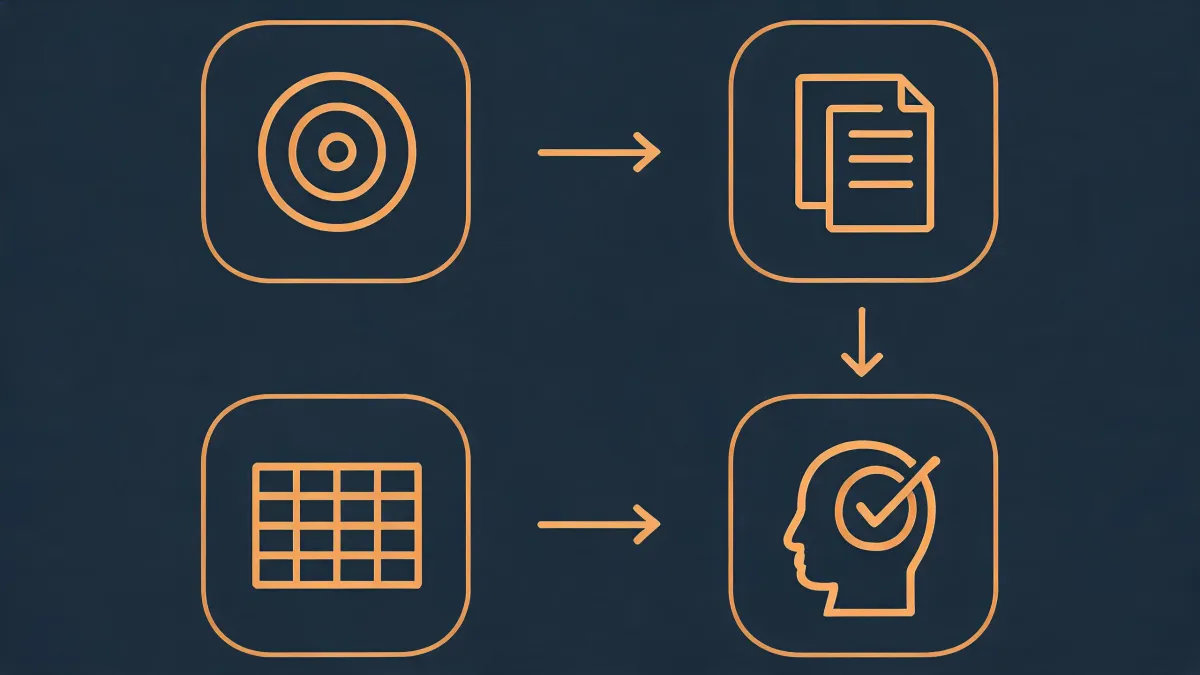
Here's the short version. AI personalization isn't the first step. It's the output of a chain:
- Signal capture: intent data, website visits, job changes, tech stack shifts.
- Waterfall enrichment: fill the gaps across multiple providers.
- Fit scoring: the agent decides who's worth a touch.
- Personalization: the agent drafts context-aware messages, not just merge fields.
- Human-in-the-loop: a rep reviews edge cases, replies, and high-value accounts.
- Feedback loop: the agent learns from replies, meetings, and disqualifications.
That's what 'agent-native' actually means. The AI sales rep isn't a replacement for your SDR team. It's the operating layer that handles research and prioritization so your team can handle judgment.
If you're evaluating sales engagement platform features, don't just look for 'AI email writer.' Look for whether the platform can run that chain above without you duct-taping five tools together.
A Short Checklist Before You Blame the AI Sales Rep
I keep this on a sticky note. It's saved me from repeating the same mistakes.
- Is your enrichment waterfall actually returning fresh titles and verified emails?
- Does your Okki-Go configuration include stop conditions and human review points?
- Are you personalizing based on intent signals or just first-name merge fields?
- Do you have a feedback loop from replies back into the agent?
- Can you explain why a specific lead got a specific message?
If you can't answer those, the problem isn't the AI. It's the workflow.
The Point Isn't to Buy More Tools
I'd rather spend 10 minutes explaining options than deal with mismatched expectations later. That's why I wrote this. An informed outbound team asks better questions and wastes less budget.
This was accurate as of Q1 2026. The AI sales tool market changes fast, so verify current Okki-Go configuration options and platform features before you commit. But the underlying logic of agent-native prospecting—signals, enrichment, personalization, human-in-the-loop—that part doesn't change as quickly.
Start there. Then pick the tool.
Per FTC's CAN-SPAM Act compliance guide (ftc.gov), commercial email must include accurate header information, a clear opt-out mechanism, and a valid physical postal address. That's not a growth tactic. It's a baseline. If your agent-native workflow ignores it, you're not prospecting—you're risking your domain.