
If you've ever typed "clay enrichment free trial signups lead routing" into Google at 10 p.m. because your trial pipeline is a dumpster fire, you already know the feeling. This is a story about one of those fires—and what I learned fighting it.
Last March, a sales leader I'd worked with before called me on a Thursday at 4:38 p.m. His company had just run a product launch. Free trial signups were pouring in—2,300 in 11 days—except almost none of them were being touched. The CRM showed a giant list of unassigned rows. The board meeting was Monday. Normal implementation timeline: two weeks. We had roughly 72 hours.
The Fire: Signups Were Not Leads
When I first looked at the pipeline, it was hard to even figure out what was broken. There were duplicates, missing owners, and old leads mixed in with new ones. A "lead" was just a row in a spreadsheet. Each SDR was supposed to pick something from the queue, look up the company, guess the right contact, and log everything manually. That's not a workflow. That's a hobby.
The original Clay instance was half-finished too. One enrichment workflow had no trigger. Another one output to a Google Sheet that nobody opened. A third was disabled. So the tool was there, but it wasn't doing anything—which is honestly pretty common in fast-growing B2B teams.
Honestly, the Clay data enrichment part was the easy piece. We set up a workflow that appended company size, industry, funding stage, and tech stack to every new trial signup. We also appended a direct email or phone for the first person who matched a rough GTM title. That took a few hours. The output looked great—useful, clean, enriched. But it didn't actually help. The leads still had no owners. The enriched data was just decorating an unassigned pile.
The Missing Piece: Lead Routing
This is where I learned the lesson the hard way. We spent Friday afternoon on enrichment before routing. I only realized how backward that was when I watched the first 400 enriched leads sit untouched for two days.
We tried a simple round-robin assignment first, and it made things worse. One SDR covered the East Coast, another owned enterprise accounts, and a third was new. Random assignment just spread the mess around. What actually worked was a rule-based routing flow tied to free trial signups:
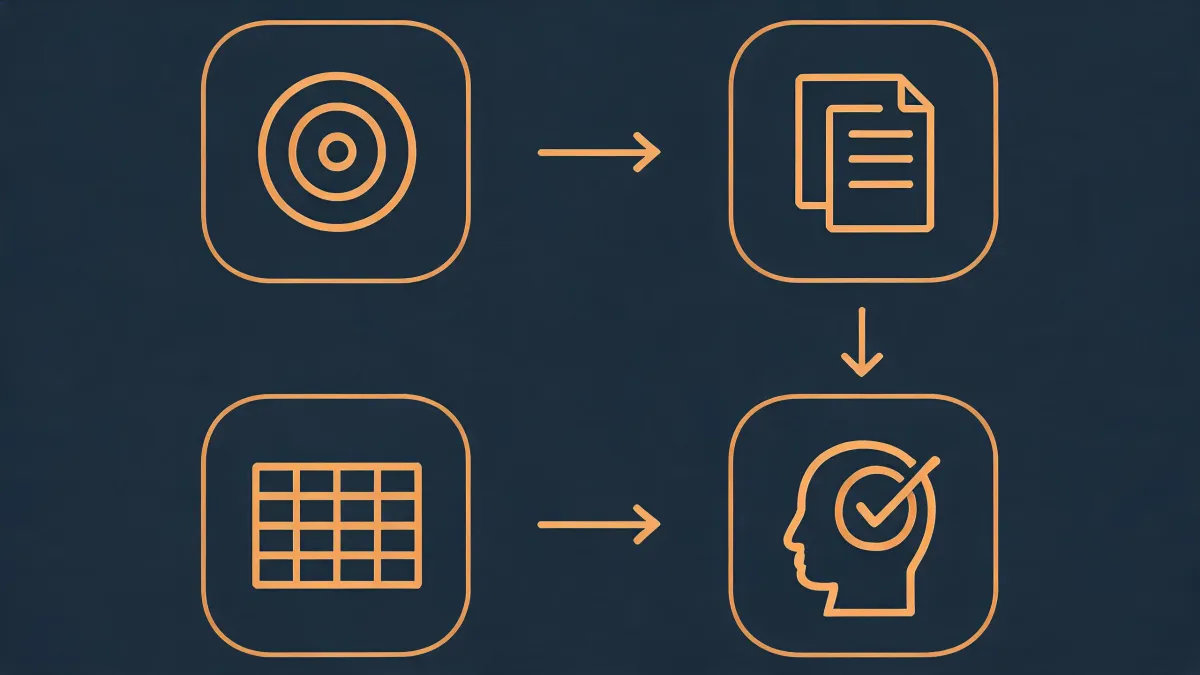
New signup → Clay enrichment runs → score based on ICP fit → assign to the right SDR → push to CRM with a task.
That's the piece that connects Clay enrichment to free trial signups: lead routing. Enrichment tells you who the account is. Routing tells your team who should care. Without the second, the first is just a prettier database.
Adding the Intent Data Feature (and the Intent Data Dashboard)
Somewhere in the middle of the weekend, the client asked whether we could see which accounts were "actually interested." That's what the intent data feature is for. In Clay, it brings in buying signals from a range of sources and rolls them into an account-level intent score. The intent data dashboard shows which accounts are showing active research behavior, not just which ones visited your site.
People assume the intent data dashboard tells you who is going to buy. It doesn't. It tells you who is acting like they might. Those are different things. What made the dashboard useful was using it as a ranking layer on top of the ICP fit score. If a company fit our ideal profile perfectly but showed zero intent, it still went to a nurture queue. If a company had both fit and intent, it jumped to the top.
What Is Website Visitor Tracking, and When Should a B2B Sales Team Use It?
This came up because the client asked if they should install website visitor tracking too. It's a fair question—and honestly, the answer is "it depends."
Website visitor tracking is reverse IP matching that tells you which companies are visiting your site, even when they never fill out a form. It seems like a goldmine. But it's only useful when the volume justifies it and your follow-up can actually keep up. If you get 10 visitors a day, it's noise. If you get thousands and need to find the 5 or 10 accounts that are actively evaluating, visitor tracking is a filter.
My rule of thumb: use website visitor tracking when your ICP is narrow and your outbound speed is fast. In my opinion, a B2B sales team should use it when they want to prioritize accounts, not when they want to mass-email everyone who ever clicked a page. The teams that fail with visitor tracking are usually the ones treating every anonymous visit as a hot lead.
Also, the compliance side matters. I'm not a lawyer, so I won't pretend to know every regulation. But tracking individuals without consent or pulling personal data from places that prohibit it is a genuine risk. It's not a theoretical issue. Use official integrations and make sure you're allowed to use the data in your CRM.
The Aftermath
By Sunday night, we had enriched 2,300 signups and routed 1,800 to named owners. Some contact records were wrong. A few routing rules created duplicate tasks. One SDR changed their region at the last minute, which scrambled part of the assignment. And around 11 p.m., we found an enrichment job that had silently failed because of an API limit. It was not a clean deployment.
But Monday morning, the SDRs didn't open an endless spreadsheet. They opened a prioritized list with context. That turned the conversation from "we're drowning" into "here's who to call first." The board meeting happened. The pipeline started moving again. I don't have hard, audited numbers from those two weeks, but anecdotally, the next two quarters looked a lot healthier than the 11 days before it.
The value of Clay isn't just that it has data. The value is that the data shows up in the workflow at the exact moment a rep needs it.
What I'd Do Differently
If you're setting this up yourself, here's what I'd change about our process:
First, define routing rules before you build enrichment. You'll save a day. Second, use intent data to rank accounts within your ICP, not to replace your ICP. Third, wait on website visitor tracking until you have enough traffic and follow-up capacity. It will bury you otherwise.
Also, spot-check enriched data. Clay is good, but no tool is perfect. If an email bounces or a company size looks wrong, don't blame the software—just build a verification step. It's easy to trust enrichment output too much when you're in a hurry.
If you came here looking for a magic hookup between Clay enrichment, free trial signups, and lead routing, the honest answer is: the magic is the logic you put around it. Enrichment fills the gaps. Routing makes the gaps visible. Intent data tells you where to aim. Website visitor tracking, done right, helps you aim sooner.