
Late in February 2026, our RevOps lead sent a Slack message that I still think about. It said: 'Can you QA Clay before we buy?' (not that I'm still bitter about the extra work). I'm a quality/brand compliance manager at a B2B sales technology company, and I review every deliverable before it reaches customers—roughly 240 items a year. Usually that means checking specifications, brand alignment, and whether we've made promises we can't keep. This time, it meant testing an AI-powered sales tool on our own data.
I don't usually write product reviews. But here's some Clay CRM news worth sharing, because it's not the 'AI will replace salespeople' kind. It's the 'setup and verification matter more than the tool' kind. Let me walk you through it.
The setup: why we looked at Clay
Our outbound team had been doing what a lot of GTM teams do: pulling a list from events, manually finding contacts, pasting them into a spreadsheet, and praying the emails didn't bounce. It worked, sort of. We were spending too much time on data work and not enough on message quality.
We wanted to try an agent-native prospecting workflow. In plain English: an AI agent handles the first pass—finds companies, enriches contacts, scores fit, and prepares a field for personalization—then a human reviews the output before sending. It's not a replacement for judgment. It's a way to remove the boring parts.
Clay kept coming up in conversations, so we started with a small test. I pulled 1,000 records: 500 known accounts from our CRM and 500 company names from a recent trade show list. The idea was to compare enriched output against what we already knew. That's when things got interesting.
The first run: what went wrong
I skipped the documentation. I'd worked with sales engagement tools before, so the interface felt familiar. I connected the CRM, imported the records, and turned on enrichment. It felt too easy. It was.
Of the 1,000 records, 840 came back with an email address. Nice, I thought. Then I spot-checked 50 of those addresses. Only 39 were valid. The rest were wrong domains, someone else's email, or duplicates with fake-looking formats. (Thankfully, we hadn't sent anything yet.)
We didn't have a formal verification process for enriched contacts. That was the gap. We'd saved maybe a few hundred credits by skipping a validation step, and then lost the savings in manual cleanup. After the first run, I realized the problem wasn't Clay. It was the workflow.
Looking back, I should have read the docs before running anything. At the time, the UI looked simple enough to skip them. It wasn't.
Back to the docs
After that failure, I did what I should have done first: I searched for 'clay enrich signups official documentation' and finally read the setup section from start to finish. If you're starting with Clay, that page is a better starting point than any YouTube video. It explains how to configure enrichment fields, where the results land, and how to structure the review step before export.
The docs made something click for me: enrichment is not a one-click export. It's a step in a sequence. You need to know what you're asking for and why.
We also examined Clay's company database. It's useful for prioritizing accounts—more useful than blindly uploading a spreadsheet of random domains. But I saw enough quirks in the test data to know it's a signal, not a source of absolute truth. The same goes for any enrichment provider, including Clay.
How an email lookup tool fits into an agent-native prospecting workflow
People often start with the email lookup tool when they evaluate Clay. That makes sense, because missing email addresses are painful. But in an agent-native workflow, the email lookup is just one small step inside a larger chain.
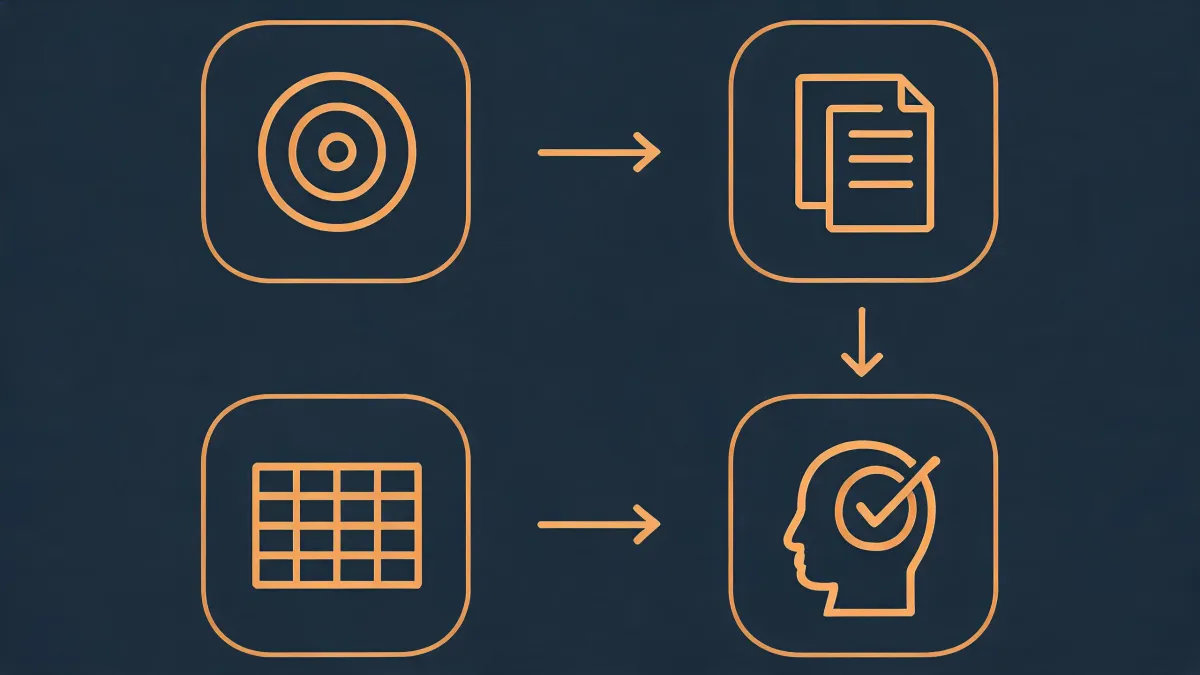
Here's what the workflow looked like in our test:
- Bring in target accounts from the CRM or a list.
- Use company database signals to flag accounts worth contacting first.
- Enrich the contacts with verifiable details pulled from multiple sources.
- Use the email lookup tool to fill in gaps or correct outdated addresses.
- Push everything back to the CRM with a confidence flag, then let a human decide.
The last step is the one that matters most. Tools can make a list bigger. A human still needs to say whether the list is worth sending to.
The LinkedIn automation scraping question
I need to address the phrase 'LinkedIn automation scraping.' It came up in our team notes, and I shut it down fast. Not because I'm afraid of a new idea—because any process that depends on platform gray areas is fragile. If you're searching for LinkedIn automation scraping as a way to build prospecting lists, you're already in a risky place.
Clay can work with LinkedIn in ways that respect the platform's rules. But we didn't build a workflow around scraping. We built one around verified data, intent signals, and human review. That's the only version that makes sense when you're subject to GDPR, CCPA, or even just common decency.
I'm not a data privacy lawyer, so I can't speak to every compliance requirement. What I can tell you from a QA perspective is that any workflow pulling personal data needs a documented reason and a clear retention limit. That's not an obstacle. It's a relief, because it forces you to be intentional.
The second run: what worked
Once the workflow was fixed, we re-ran the test. This time we kept a validation layer: formatting checks, deliverability flags, and a manual review for anything that looked weird. The output wasn't perfect—I won't pretend it was. But 76% of the 1,000 records passed our checks and were ready to go. That was good enough to build a sequence around.
The biggest shift wasn't technical. It was time. We cut the time from 'raw list' to 'ready for outreach' from about three days down to six hours. That's a real number from our test, and it's the kind of result I could defend in a quality review.
We also saw a side effect: the SDRs stopped hunting for contacts and started writing better messages. When you remove the repetitive parts of prospecting, the remaining work is more creative. That's where agent-native workflows shine.
What I'd tell another team
As of April 2026, I'd tell another team this: Clay can save you hours, but only if you approach it with the same rigor you'd apply to any supplier. Read the official documentation. Define your verification process before you run your first batch. And don't ask the tool to make decisions for you.
At the end of the test, I put a note in our internal review doc. It said:
Enrichment doesn't create strategy. It reduces the friction between strategy and the person on the other end of the email. Don't confuse the two.
I also have to add the honest limitation. If you're only sending 50 emails a month, a full agent-native setup is probably overkill. You'd be better off with a simple list and a smaller tool. If you're dealing with thousands of records per quarter and you have a human in the loop, this approach is worth a serious look.
The worst thing you can do is buy a tool with zero process behind it. That's true for Clay, and it's true for any database or email lookup service. The tool isn't the strategy. The workflow is.
The takeaway
I'm a quality guy. I like specifications, tolerances, and proof. Clay didn't give me perfect data, and I didn't expect it to. What it gave me was a way to stop guessing in spreadsheets and start building a repeatable process. That process is the actual asset.
If you're considering Clay, start with the enrichment docs, build a small test, and don't automate anything you don't understand. That's the closest thing to a rule I have.