
Here's my honest take after 8 weeks of evaluating sales intelligence platforms for our GTM team: Clay is the most powerful option we tested, but it's also the one that demands the most upfront investment from your team. If you have someone who can build prospecting workflows and you want enrichment, intent data, and outreach in one platform, Clay is genuinely hard to beat. If you need a tool that works out of the box with minimal setup, you'll get more immediate value from an alternative like Apollo.io.
One more thing before I get into the details: intent data is nowhere near as magical as vendors make it sound. More on that later, but the short version is — most teams should figure out their prospecting workflow before spending money on intent signals.
Why I'm the one writing this
I'm not a sales rep or a RevOps leader. I'm the person who evaluates and purchases the software that sales teams use. I've been managing procurement for a mid-sized B2B company for about 4 years now, which means I've been burned by enough overpromising vendors to stay skeptical.
When we decided to upgrade our sales stack, I took on the evaluation. I spent 8 weeks testing 6 platforms: Clay, Apollo.io, ZoomInfo, Cognism, Lusha, and a smaller player I won't name. For each one, I used the free trial (Clay's includes enrichment credits, which matters for the "try before you buy" decision), talked to current users, read API documentation, and asked our sales team what they actually needed day-to-day.
I went back and forth between Clay and Apollo for almost two weeks. Apollo was the safer choice — familiar interface, huge user base, simpler mental model. Clay had the flexibility our team kept asking for. What tipped me over was watching our marketing team build a workflow in Clay in about 20 minutes that would've taken days to configure in any other tool we tested.
What Clay actually does differently
Every sales intelligence platform does the basics: find contacts, verify emails, add firmographic data. What separates Clay from the alternatives is the workflow layer.
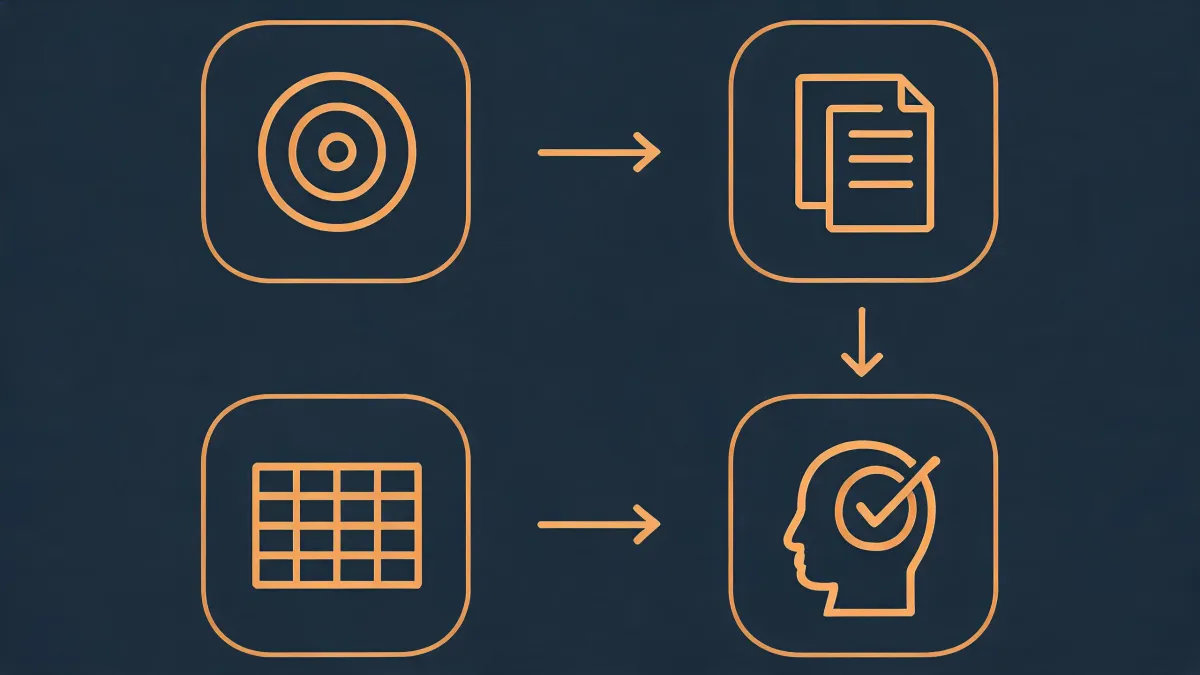
When I compared our testing notes side by side — same prospecting task, different platforms — I finally understood why Clay's approach matters. Apollo gives you a contact that might be a fit. Clay lets you build a workflow that finds, enriches, scores, and routes the contact based on your specific criteria. To put it simply: Apollo sells you a contact list; Clay sells you a prospecting system.
Key differentiators from our testing:
- Agent-native prospecting workflows — Clay uses AI agents to execute multi-step research tasks. You define the playbook; the agents do the digging.
- Enrichment + intent + outreach in one place — instead of patching together a data vendor, an intent provider, and a sales engagement tool, Clay combines them.
- API data enrichment — the API is clean and well-documented. You can programmatically enrich records, which matters if you run any custom integrations.
- Deep integrations — LinkedIn, CRM, and API connections with real depth, not shallow connectors that break every other month.
The trade-off is real, though. Clay isn't plug-and-play. The free trial gives you enrichment credits, but the trial is only useful if you're willing to learn the workflow builder. Some of our team picked it up in 10 minutes. Others found it confusing for two weeks. If you don't have someone comfortable with conditional logic and workflow design, you won't unlock Clay's value.
What I got wrong about intent data
Quick definition in case you're newer to this: intent data is behavioral information that shows when a company or person is researching topics online. Intent data providers track content consumption, search behavior, and product review activity across websites, then flag accounts that show spikes in topics related to your solution.
Here's where I gotta admit something. I bought into the intent data hype before this evaluation. Every vendor pushed "buyer intent signals" like the answer to everything. I only believed intent data could be overhyped after watching two of our SDRs spend a quarter chasing signals that never converted. They'd get a "high intent" alert, call the company, and find out the person doing the research had left — or the research was for a different initiative entirely.
I don't have hard data on how many teams actually use intent data effectively after the first quarter, but based on talking to roughly 20 users across these platforms, my sense is that most teams stop checking intent dashboards within a few months unless someone explicitly owns the follow-up process.
So when should a B2B sales team use intent data? My conclusion: it's most valuable for accounts already in your ICP that show specific, relevant buying signals — like researching a problem you solve. It's far less useful for random spikes in "research activity" that don't fit your buyer persona. The providers are good at detecting activity. They're less good at telling you whether the activity actually matters.
Clay alternatives, compared honestly
Here's the breakdown I gave our team, minus the spreadsheet:
- Apollo.io — a solid all-around choice if you want one familiar tool. Decent database, built-in engagement features, simpler workflows. Data quality is slightly behind Clay, but for many SMB teams it's enough.
- ZoomInfo — the most comprehensive B2B database, and the most expensive. Best for enterprises that prioritize data coverage above everything else. It's a database first, not a workflow platform.
- Cognism — strong for EMEA coverage and mobile contacts. We're mostly US-focused, so it didn't make our shortlist, but international teams often prefer it.
- Lusha — budget-friendly for small teams. Data quality is okay for SMB prospecting, not sufficient for enterprise outreach.
- Seamless.AI — the free tier is a decent entry point, but data accuracy was noticeably lower in our tests, and the interface feels dated.
The decision framework I'd suggest: if you have workflow-builders on your team, choose Clay. If you need the fastest time-to-value with minimal configuration, choose Apollo or Lusha. ZoomInfo only makes sense if you value raw database coverage over everything else and have the budget for it.
Data privacy and compliance — don't skip this
One thing rarely covered in comparing these tools is compliance. Per FTC guidelines on advertising and data collection practices, claims you make in outreach must be truthful and substantiated — which means the data you base those claims on needs to be accurate in the first place. And with GDPR and CCPA enforcement activity, you're responsible for how your team uses the data these platforms provide. No tool can guarantee compliance for you. Ask vendors about their data sources, opt-out processes, and how they handle EU and California data. If they can't answer directly, that's a red flag.
I learned this lesson the hard way. The one time I trusted a cheaper tool's email verification, our first campaign bounced at about 18%. The email provider temporarily restricted our domain, and recovering from that took longer than the software savings were worth. Bad data doesn't just waste time — it damages the reputation of the domain you're sending from, and by extension, your brand in the inbox.
So, should you choose Clay?
I recommended Clay for our team — but our situation was specific. We had one person comfortable building workflows, our sales team was open to learning a new tool, and we wanted to consolidate three different subscriptions into one platform. Clay fit that scenario well.
But I've also seen teams where Clay would be the wrong call. If your team expects to log in, run searches, send emails, and never touch a workflow builder, you'll be frustrated. If you need to launch outreach within a week for an urgent campaign, the setup time will hurt.
Here's the bottom line: the best sales intelligence platform is the one your team will actually use correctly. Clay has the highest ceiling of any platform we tested. That ceiling only matters if you have the people and the patience to build toward it. If not, a simpler alternative will serve you better.
Try the free trial either way — even if you don't end up buying, it's a good way to see what modern data enrichment can do. And when you evaluate intent data providers, use the trial to test whether their signals actually match your buying process. That's the part only you can figure out.