
-
Start with the workflow, not the platform
-
Step 1: Map the agent-native workflow and label every data touchpoint
-
Step 2: Separate 'Clay CRM' from what Clay actually is
-
Step 3: Model credit burn before you look at the sticker price
-
Step 4: Audit the CRM integration for hidden implementation costs
-
Step 5: Know what company enrichment sales intelligence actually includes
-
Step 6: Add a 90-day cost review to the agreement
-
Common mistakes that make this more expensive
-
Bottom line
Start with the workflow, not the platform
I'm a procurement manager at a 67-person B2B revenue operations team. I've managed our GTM software budget for six years, and every year I see the same mistake: somebody buys a data tool because the demo looks good, then discovers the real cost is in the credits, hidden data add-ons, and the time spent cleaning bad records.
This is a six-step checklist I use before we sign any contract for a prospecting or enrichment platform. It's written specifically for Clay, but you can use it for anything else too. If you've been wondering how a lead database fits into an agent-native prospecting workflow, this is also that answer: the database is the fuel, and the workflow is the engine. You don't want to buy fuel and then find out it doesn't fit the engine.
Step 1: Map the agent-native workflow and label every data touchpoint
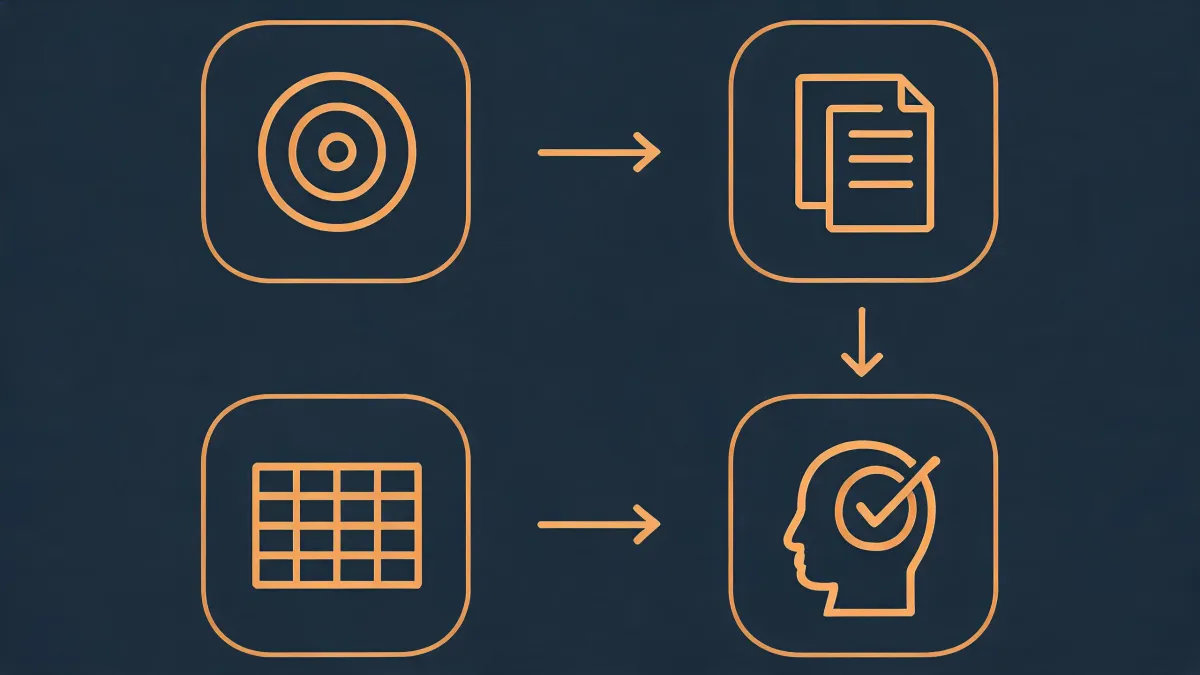
An agent-native prospecting workflow is not the same as a list-building workflow. In a list-building workflow, a rep searches for companies, downloads contacts, and sends emails. In an agent-native workflow, the agent handles more of the research, enrichment, prioritization, and even the first draft of outreach.
That means a lead database has to connect to the agent in three ways: it needs to return the right companies, provide enrichment data the agent can act on, and sync back to your CRM with enough context. If the data is incomplete or the integration is shallow, every downstream step costs more. That's not just a data problem. It's a budget problem.
Checkpoint: write down every step in your workflow and label which step creates or consumes data. If you can't do this in one page, the platform won't fix it.
Step 2: Separate 'Clay CRM' from what Clay actually is
I've seen the phrase 'Clay CRM' a few times. Clay isn't a CRM. It's a go-to-market platform that sits in front of your CRM. It helps you search for companies, enrich contacts, run automations, and create personalized outreach. If you're shopping for a CRM, this is the wrong list. If you're building a 'GTM Clay' stack, now we're talking.
The reason this distinction matters is cost. A CRM is a system of record. Clay is a system of action. You pay for records and seats in a CRM; you pay for credits and compute in a tool like Clay. Those are different budget lines, and mixing them up leads to bad forecasts.
Step 3: Model credit burn before you look at the sticker price
Clay uses a credit-based pricing model for the parts that consume data sources, enrichment, and automation. According to Clay's pricing page (reviewed Q4 2025), the exact credit rates depend on the plan and the data source. Verify current rates before you sign. And don't assume the base plan is enough.
This is where data enrichment capabilities get expensive. When I audited an enrichment platform last year, the sales rep quoted us $1,450 per month. That sounded fine. So I asked our ops team to map the projected workflow: 6,000 companies, 18,000 contact enrichments, plus de-duplication and re-verification. Real credit consumption came out to $3,900 per month. The sticker price was only 37% of the true number. That's not a sales rep trying to trick me. It's just how variable pricing works. You have to model it.
Checkpoint: calculate your average number of companies and contacts, multiply by the number of enrichment touches, add 30% for duplicates and re-runs, and use that number in your TCO spreadsheet.
Step 4: Audit the CRM integration for hidden implementation costs
Clay integrates with Salesforce, HubSpot, and other CRMs. But integration is a vague word. Does it write custom fields? Does it match existing records? Does it remove duplicates? Does it sync both ways? The answer changes your total cost.
I made the classic rookie mistake in my first year of managing this budget. A platform advertised a free integration with our CRM. We approved it, then realized the integration was one-way and didn't respect our field mapping. We had to pay a middleware vendor to fill the gap. That 'free' setup ended up costing us about $2,400 over six months before we could renegotiate the contract.
Checkpoint: ask for integration documentation in writing. Include field-level mapping, sync frequency, de-duplication behavior, and what happens when an update fails.
Step 5: Know what company enrichment sales intelligence actually includes
Company enrichment sales intelligence is not one product. It's a bundle of data sources and signals: firmographics, technographics, intent, contact details, maybe even news. Each source has different coverage and accuracy. If you're buying a lead database for an agent-native workflow, you need to know which sources are included and which ones are add-ons.
This is also a compliance and quality issue. I don't sign a contract without understanding how a vendor handles GDPR and CCPA. I don't expect any lead database to be 100% accurate, because none is. But I do expect the vendor to tell me how often records are refreshed and what they do about bad data. Refresh frequency directly impacts our cleanup cost.
Checkpoint: ask for a data source list and a written refresh schedule. If the schedule says 'not available', add a monthly data hygiene task to your ops team's list.
Step 6: Add a 90-day cost review to the agreement
This is the prevention-over-cure step. The cheapest way to manage a credit-based platform is to catch overages before they happen. I negotiate a usage review at day 90 in most data contracts. We compare projected credits to actual credits, flag patterns, and adjust the plan if needed.
One time, that 90-day checkpoint saved us from an estimated $12,000 annual overrun. The team had been using twice as many enrichment credits as expected, but we caught it early enough to change the workflow. Five minutes of verification beats five days of correction.
Checkpoint: put a calendar reminder for day 80. If credit usage is above 75% of the plan, schedule the review now.
Common mistakes that make this more expensive
- Comparing monthly plan prices instead of projected credit consumption.
- Assuming all data sources are included in the base plan. They're not.
- Forgetting to add de-duplication and data refresh costs to the TCO.
- Not checking whether the agent-native workflow can export enriched records in a format your CRM accepts.
- Waiting until renewal to look at usage. That's how budget surprises happen.
Bottom line
I don't care if you choose Clay or something else. I care that you know what you're buying. A lead database fits into an agent-native prospecting workflow as the raw fuel. But fuel is a variable cost, and variable costs are where GTM budgets go to die.
Use the checklist. Map the workflow. Separate the CRM noise from the actual platform. Test with real data. And build a review checkpoint so the numbers don't surprise you later. That's the whole job.